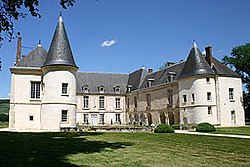
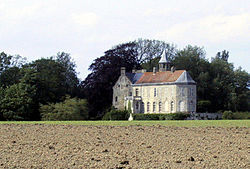
Château comtal du Quesnoy
Le Quesnoy
Access
No visits on recordNo opening hours or ticketing found
- Where
- Le Quesnoy
To make a day of it
Château comtal du Quesnoy stands in Le Quesnoy (Nord), in the Hauts-de-France region of France. The building is registered as a historic monument (dating recorded in the Mérimée database: 12th century, 17th century, 18th century). No visits are on record for this building.
Founded around 1160, the Quesnoy comtal castle occupies a vast polygonal structure flanked by small buttresses and surrounded by moats. The site preserves Romanesque remains, including two levels of cellars and a 12th-century gateway reworked in the 17th century, as well as a large Gothic arch from the former two-storey chapel. In the 17th century, architect Libéral Bruant designed a new wing rebuilt from 1681 onwards, while the Cernay pavilion, reconstructed in the 18th century on medieval foundations, forms part of the protected ensemble.
What to know
- The entire complex has been protected as a historic monument since 2016, including the Cernay barracks, towers, moats and underground remains.
- The castle ruins occupy several plots in the heart of Quesnoy, incorporating the barracks and public spaces such as the Jeu de Balle square and the General Leclerc square.
- Access to the interior requires enquiry with the local town hall or tourist offices, as some sections remain limited to public viewing.
- Medieval cellars on the site date from the 12th century and survive beneath later buildings, providing insight into ancient military architecture.
Where this château is
Le Quesnoy · Nord · Hauts-de-France
Loading the map…
This châteauChâteaux within 40 km
Address
Le Quesnoy, Nord
Directions open from wherever you are, by car or public transport.
- Period of construction
- 12th century, 17th century, 18th century
Base map © IGN, Géoplateforme
Itineraries
Frequently asked
- Who designed the 17th-century alterations?
- Libéral Bruant, ordinary architect to the king, drew up plans for a new wing of the castle, the new residential block being rebuilt from 1681 onwards.
- When was the site protected as a historic monument?
- The entire comtal castle ensemble was listed as a historic monument by decree on 2 February 2016.
- What remains visible from the Middle Ages?
- Two levels of 12th-century cellars survive, as well as the Romanesque gateway, a Gothic arch from the former chapel, and traces of the moats that once surrounded the site.
Something wrong here?
Tell us. Every report moves this entry up our verification queue.
Sources
Identity, location and official references from Wikidata and the Mérimée register.
- This entry in Markdown
- Wikidata Q58640349
- Mérimée PA59000197